Share article


How IR teams can think and act differently in 2026

- Strategic investor relations requires proactive thinking, not reactive reporting.
- Continuous learning and peer connection strengthen the long-term impact of the IR function.
- Stronger market insight leads to sharper messaging and better investor engagement.
Investor expectations are changing. Is your IR strategy keeping up?
In 2026, your IR role requires more than routine reporting. You can act as a strategic partner, shape messaging, provide insights, and build stronger relationships with investors.
To thrive in this fast-moving market, consider approaches that help you think differently and act with purpose. Below are five priorities you might consider for your IR strategy this year.
1. Build a structured investor feedback loop
Immediate reactions after results or roadshows are useful, but the most valuable insights often come from deliberate, consistent feedback. It helps to schedule regular discussions with investors, analysts, and internal stakeholders. You might ask:
- What parts of your equity story resonate?
- Where could your guidance be clearer?
- Are there recurring misconceptions?
By creating a structured feedback process, you can refine your messaging, align communications with investor expectations, and build credibility.

Create a structured investor feedback process.
2. Benchmark against global best practice
Investor expectations are shaped globally, not just locally. You may find it useful to study leading IR programs across sectors and regions. Reviewing investor presentations, annual reports, earnings transcripts, and ESG disclosures can reveal how top-performing teams:
- Communicate strategy clearly
- Address emerging risks
- Maintain narrative consistency
Benchmarking can help you identify opportunities to improve your own IR strategy and ensure your company keeps pace with global standards.
3. Spend more time observing company presentations at conferences
Investment conferences offer more than scheduled one-on-one meetings. They give you insight into market sentiment and executive communication. Attending peer presentations allows you to notice:
- How executives answer challenging questions
- Investor reactions and engagement
- Dominant themes and trends
These observations can provide valuable insights to refine your messaging and better understand investor priorities.

Observe company presentations at conferences.
4. Strengthen your IR peer network
IR can be a solitary role, especially when dealing with sensitive or complex issues. Connecting with other IROs locally and globally can expand your perspective. Networking can offer:
- Shared learning and practical insights
- Exposure to alternative approaches
- Support in navigating regulatory and market challenges
A strong network can help you innovate and make more informed decisions.
5. Invest in mentorship and capability building
Mentorship benefits both you and others in your team. Supporting emerging IR professionals can strengthen the broader market ecosystem, while learning from experienced leaders can promote continuous improvement. Mentorship provides opportunities to:
- Navigate challenges more effectively
- Sharpen technical and communication skills
- Adapt to changing capital markets

Strengthen your IR peer network.
Elevate your investor engagement
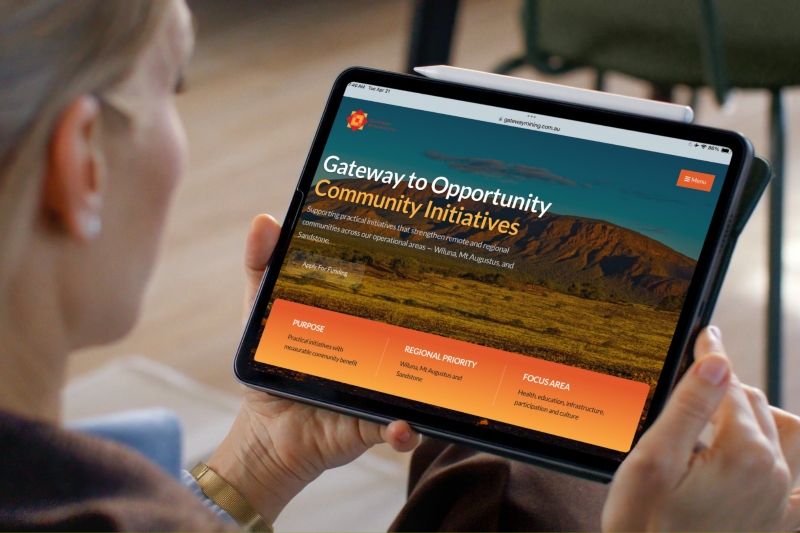
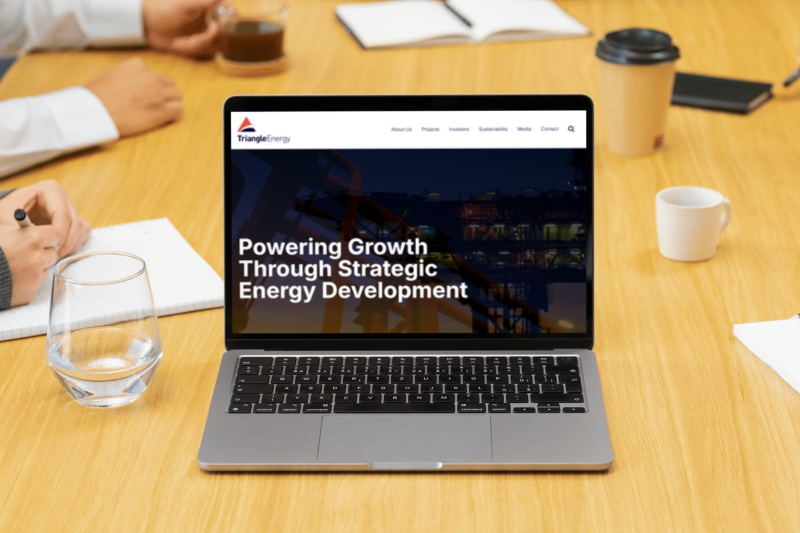
You can elevate your approach to investor engagement with custom investor websites, which provide a central hub to share your company story in a clear and compelling way. You might also consider Proactive video interviews to communicate your strategy and milestones, while reaching a wider investor audience.
With tools like IRM Newsroom, you can send ASX announcements directly to investors, quickly, efficiently. These solutions help you strengthen stakeholder relationships, boost your visibility, and ensure your key messages reach investors when it matters most. Call us on +61 2 8705 5444 or email clientrelations@irmau.com to get started.